A Deep Dive Into the Aluminum Casting Refine: From Design to Final Product
The light weight aluminum Casting process includes numerous vital phases, each needing precision and knowledge. It starts with the design stage, where ideas evolve right into comprehensive requirements. The prep work of mold and mildews adheres to, employing numerous casting methods. After melting and pouring, the cooling stage identifies the final buildings of the light weight aluminum. The trip doesn't end there; finishing processes play a significant duty in accomplishing quality criteria. What happens following in this complex process?
Recognizing Light Weight Aluminum Casting
Light weight aluminum Casting is an essential procedure in manufacturing that entails pouring molten light weight aluminum into a mold to create numerous forms and elements. This approach is preferred for its ability to generate elaborate layouts with excellent dimensional precision. The process begins with choosing premium light weight aluminum alloys, which are then thawed at raised temperature levels. When in a liquid state, the aluminum is thoroughly poured into molds, which can be made from sand, metal, or various other products, relying on the preferred last item.
Air conditioning takes place as the liquified light weight aluminum strengthens, creating the desired form. After cooling, the castings are eliminated from the mold and mildews and undergo ending up procedures such as machining or surface therapy to improve their residential properties and appearance. Recognizing aluminum Casting not just highlights its value in design and production however also emphasizes its convenience in generating light-weight, resilient elements for various industries, consisting of vehicle, aerospace, and durable goods.
The Layout Refine: From Principle to CAD
The style process for aluminum Casting starts with preliminary idea growth, where ideas are changed right into tangible requirements. Following this stage, CAD modeling techniques are used to create specific digital depictions of the layouts. This shift from principle to CAD is crucial for ensuring accuracy and expediency in the Casting process.
First Concept Development
Launching the layout process for aluminum Casting includes changing abstract concepts into substantial concepts. This phase is fundamental, as it lays the groundwork for effective item growth. Developers collaborate with stakeholders and engineers to define the practical demands and visual elements of the casting. Conceptualizing sessions frequently generate multiple ideas, which are after that reviewed for manufacturability, usefulness, and cost-effectiveness. Sketches and initial designs may be developed to picture prospective designs. Comments from employee and clients is important in refining these ideas. Iterative conversations assist to recognize possible challenges, ensuring that the last style aligns with both technological specifications and customer needs. Inevitably, this stage sets the phase for the shift from principle to more detailed electronic representations.
CAD Modeling Techniques
As the layout process shifts from preliminary concepts to in-depth representations, CAD modeling techniques end up being vital tools for designers and designers. These strategies enable the creation of specific, scalable digital versions that precisely mirror the desired physical product. Usual techniques include 3D strong modeling, surface modeling, and parametric design, each offering one-of-a-kind capabilities for various task needs. Designers use software application like AutoCAD, SolidWorks, and CATIA to improve styles, replicate efficiency, and determine possible problems before manufacturing. The assimilation of CAD with other innovations, such as limited component analysis (FEA), enhances the style procedure additionally by anticipating material behavior under tension. Ultimately, reliable CAD modeling improves communication among employee and boosts the total performance of the light weight aluminum Casting procedure.
Preparing the Mold And Mildew: Sand, Pass Away, and Investment Casting
When preparing mold and mildews for light weight aluminum casting, the option of approach significantly influences the end product's high quality and precision. Three primary strategies are generally utilized: sand spreading, pass away spreading, and financial investment spreading.
Sand Casting involves creating a mold from sand, which is functional and economical, making it appropriate for big components and complicated geometries. This approach, however, may produce a rougher surface area coating compared to other techniques.
Die casting employs metal molds, enabling high-volume production and excellent dimensional accuracy. This method is suitable for producing detailed layouts with smooth surface areas and tight resistances however requires greater in advance costs as a result of mold fabrication.
Financial investment casting, also referred to as lost-wax casting, gives exceptional accuracy and surface coating, making it suitable for detailed elements. This method entails developing a wax pattern, which is coated in ceramic, enabling great information during the Casting procedure. Each approach has its advantages, affecting the spreading's applications and qualities.
Melting and Pouring Light weight aluminum: Strategies and Devices
In the aluminum Casting procedure, efficient melting and putting methods are vital for accomplishing premium results. Various melting techniques and specialized putting devices play a considerable function in making certain excellent fluidness and temperature control - Aluminum Casting Manufacturer. Understanding these essentials is vital for both beginner and experienced shop specialists
Thawing Methods Introduction
A variety of melting techniques are used in the light weight aluminum Casting procedure, each tailored to particular applications and production ranges. Typical methods consist of crucible melting, where aluminum is warmed in a ceramic or steel container, commonly appropriate for small sets. Induction melting uses electro-magnetic fields to warmth aluminum promptly and effectively, ideal for larger production demands. Electric arc furnaces give a high-temperature environment, making them ideal for reusing aluminum scrap. Additionally, rotating heaters provide a continual melting procedure, enhancing efficiency. Each technique has its advantages, such as energy effectiveness, thawing speed, and material high quality, making sure that manufacturers can select the most proper technique based upon their operational demands and wanted end results in the Casting procedure.
Putting Devices Essentials
Complying with the melting process, effective putting tools plays a considerable function in guaranteeing the successful transfer of molten aluminum into molds. Secret elements include ladles, pouring cups, and automated pouring equipments. Ladles, generally made of heat-resistant products, are designed to hold and move molten light weight aluminum safely. Putting cups boost control during the transfer, helping with a constant put to minimize disturbance and oxidation. Automated putting devices are significantly prominent, guaranteeing regular flow prices and minimizing human mistake. These Aluminum Casting Manufacturer machines can be configured for accuracy, optimizing casting high quality. Additionally, temperature surveillance tools are necessary to guarantee the molten light weight aluminum remains within the optimal temperature variety, additional boosting the quality of the last actors product. Appropriate option and maintenance of pouring devices are essential for efficiency and security.

Air conditioning and Solidification: Changing Liquid to Strong
Air conditioning and solidification play an essential role in the light weight aluminum Casting procedure, as they establish the last properties of the actors steel. After putting, the liquified light weight aluminum starts to lose heat, shifting from liquid to solid. This cooling phase is important, as it affects mechanical properties such as microstructure, toughness, and ductility. The rate of air conditioning can vary based upon elements such as mold material, thickness, and environmental problems. Fast cooling may cause a finer grain framework, improving stamina, while slower air conditioning can lead to coarser grains, influencing ductility.
In addition, consistent air conditioning is important to stop issues such as bending or splitting. As the steel solidifies, the formation of dendrites takes place, which are tree-like frameworks that influence the general stability of the casting. Understanding the air conditioning and solidification characteristics allows engineers and foundry employees to enhance the procedure, ensuring that the end product fulfills the required specs and high quality criteria.
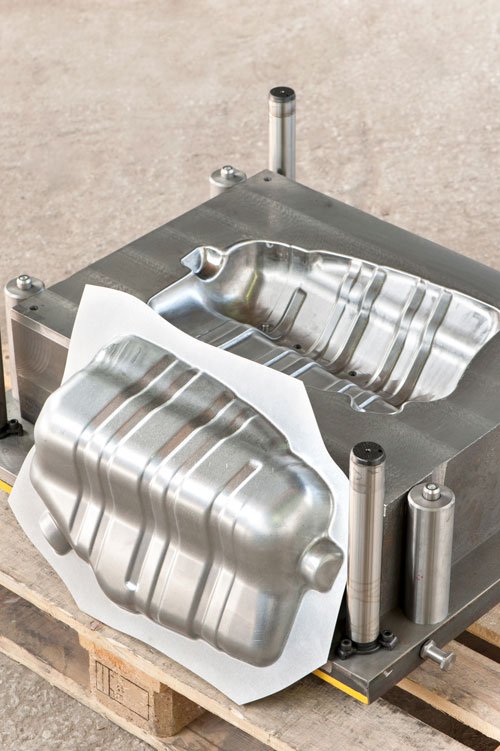
Completing Procedures: Machining, Finishing, and Examination
Completing processes are vital in refining light weight aluminum castings to fulfill stringent requirements and boost efficiency. These processes generally consist of inspection, covering, and machining, each playing a vital function in achieving the desired top quality.
Machining entails removing excess product from the Casting to obtain exact dimensions and surface coatings. Techniques such as milling, transforming, and grinding are commonly used to ensure that the last item meets style resistances.
Finish offers to secure the aluminum surface area from environmental variables, improving deterioration resistance and aesthetic charm. Alternatives include anodizing, powder finish, and paint, each offering unique benefits depending on the application.
Examination is necessary to validate that the finished castings satisfy top quality standards. Techniques such as aesthetic inspection, dimensional checks, and non-destructive screening are used to discover any kind of problems. With each other, these completing procedures guarantee that light weight aluminum castings are trusted, resilient, and prepared for their intended applications.
Applications of Aluminum Castings in Numerous Industries
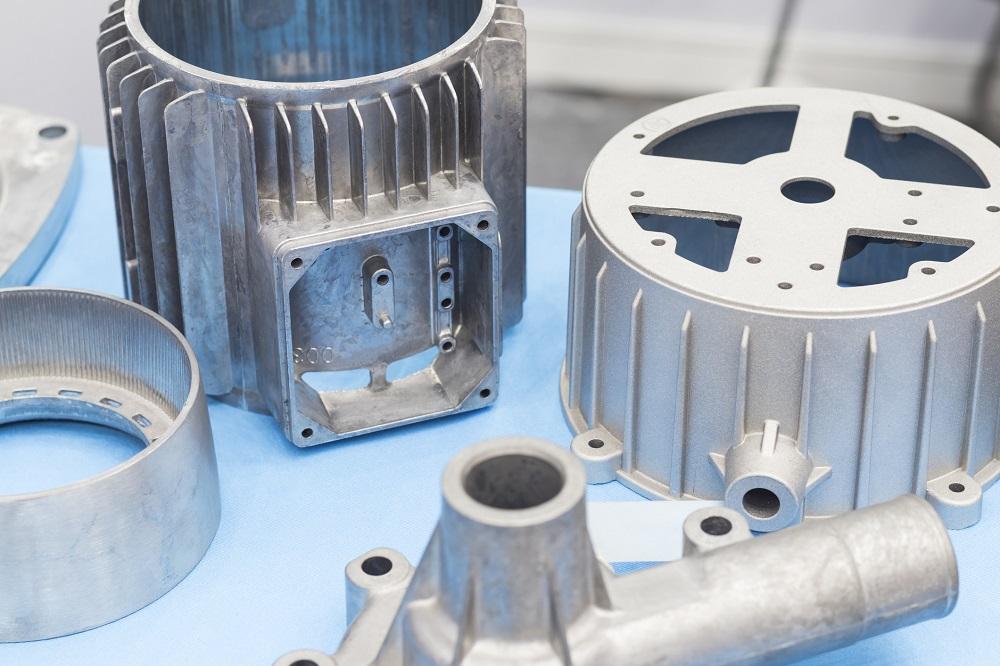
The customer items market integrates aluminum castings in products like kitchenware and home appliances, exploiting on their thermal conductivity and longevity. The building sector uses aluminum castings in window structures, doors, and attractive components, improving looks while keeping capability. Furthermore, the marine sector relies on light weight aluminum castings for boat parts, where resistance to deep sea deterioration is important. Generally, light weight aluminum spreadings supply cutting-edge remedies throughout numerous applications, making them essential in contemporary manufacturing processes.
Frequently Asked Questions
What Are the Environmental Impacts of Aluminum Casting?
The environmental impacts of aluminum Casting include energy-intensive manufacturing, greenhouse gas exhausts, and potential water pollution. Additionally, mining bauxite for aluminum adds to habitat destruction, while recycling efforts can mitigate some negative impacts.
Exactly How Does Light Weight Aluminum Casting Contrast to Various Other Steel Casting Procedures?
Light weight aluminum casting normally offers benefits like light-weight residential properties and corrosion resistance compared to various other metal Casting processes. It might have limitations in toughness and temperature level resistance, making its viability reliant on details application needs.
What Safety And Security Precautions Are Necessary During Aluminum Casting?
Throughout light weight aluminum spreading, safety and security preventative measures consist of using safety equipment, guaranteeing proper air flow, maintaining tools, and complying with strict protocols to manage molten steel. These measures intend to lessen risks such as burns, breathing of fumes, and equipment breakdowns.
Can Aluminum Castings Be Recycled After Usage?
Aluminum spreadings can certainly be recycled after usage. The recycling procedure retains the product's residential properties, making it a sustainable alternative. This method significantly lowers waste and saves power, promoting environmental obligation in manufacturing sectors.
What Are Typical Defects in Aluminum Castings and Their Reasons?
Common issues in aluminum spreadings include porosity, cold shuts, and contraction - Aluminum Casting Manufacturer. These problems commonly emerge from insufficient melting temperatures, inappropriate mold layout, and insufficient air conditioning rates, affecting the overall quality and efficiency of the end product
Aluminum Casting is a crucial procedure in producing that includes pouring liquified aluminum right into a mold to create numerous shapes and parts. The style procedure for aluminum Casting starts with preliminary concept growth, where concepts are transformed into tangible requirements. Launching the design procedure for aluminum Casting entails transforming abstract concepts into concrete principles. In the aluminum Casting procedure, reliable melting and pouring methods are crucial for attaining high-grade results. A range of melting techniques are employed in the light weight aluminum Casting procedure, each tailored to certain applications and production scales.
Comments on “The Ultimate Guide to Working With an Aluminum Casting Manufacturer”